

Highlighting Regional Insights: What Indonesia Can Learn from ASEAN and Pakistan's Solar Boom at New York Climate Week
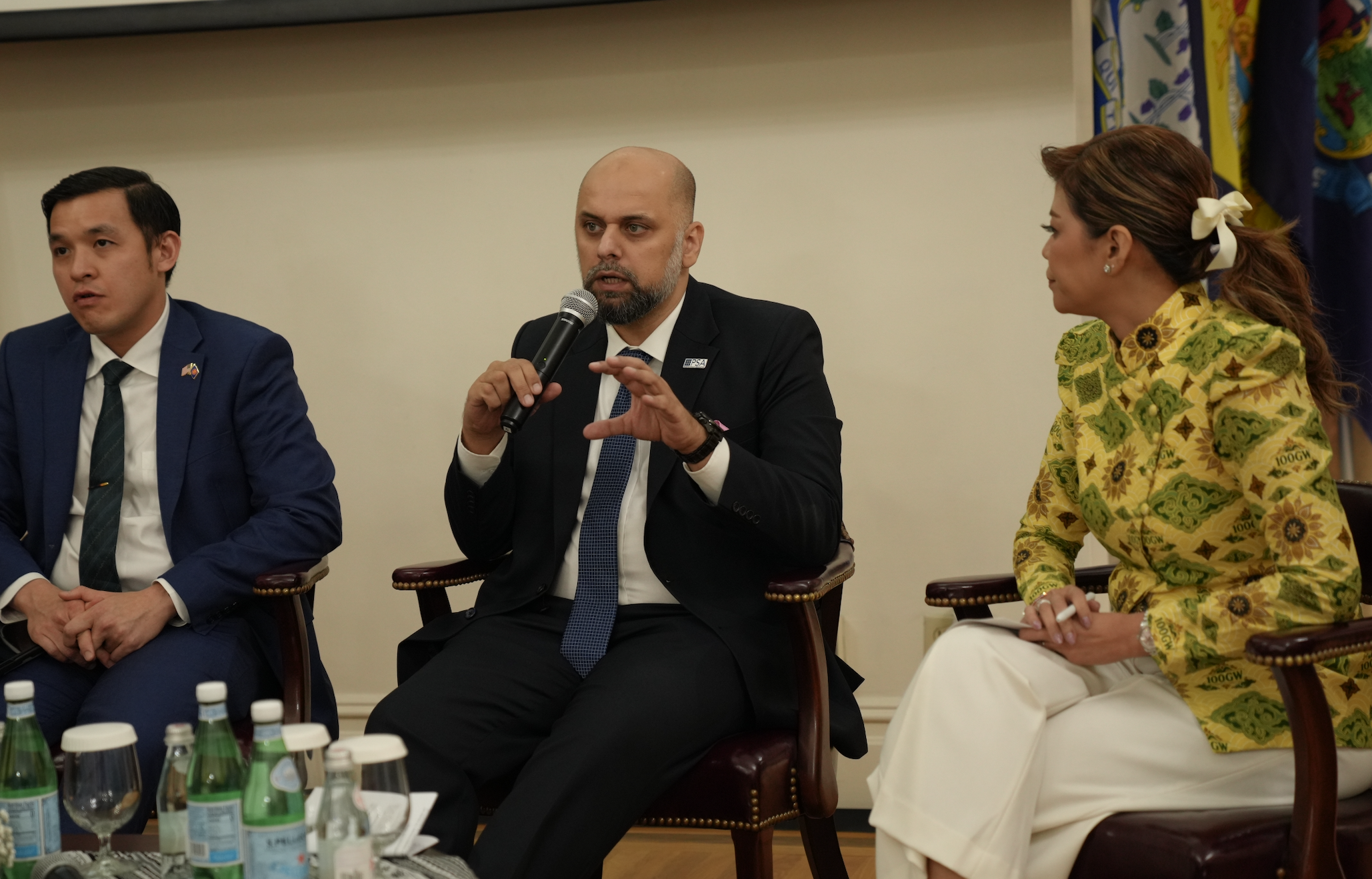
Mada Ayu Habsari, Chairwoman of AESI, Waqas Moosa, Director of the Pakistan Solar Association and Mario Masaya, Vice-President at the US-ASEAN Business Council in Indonesia Solar Investment Forum
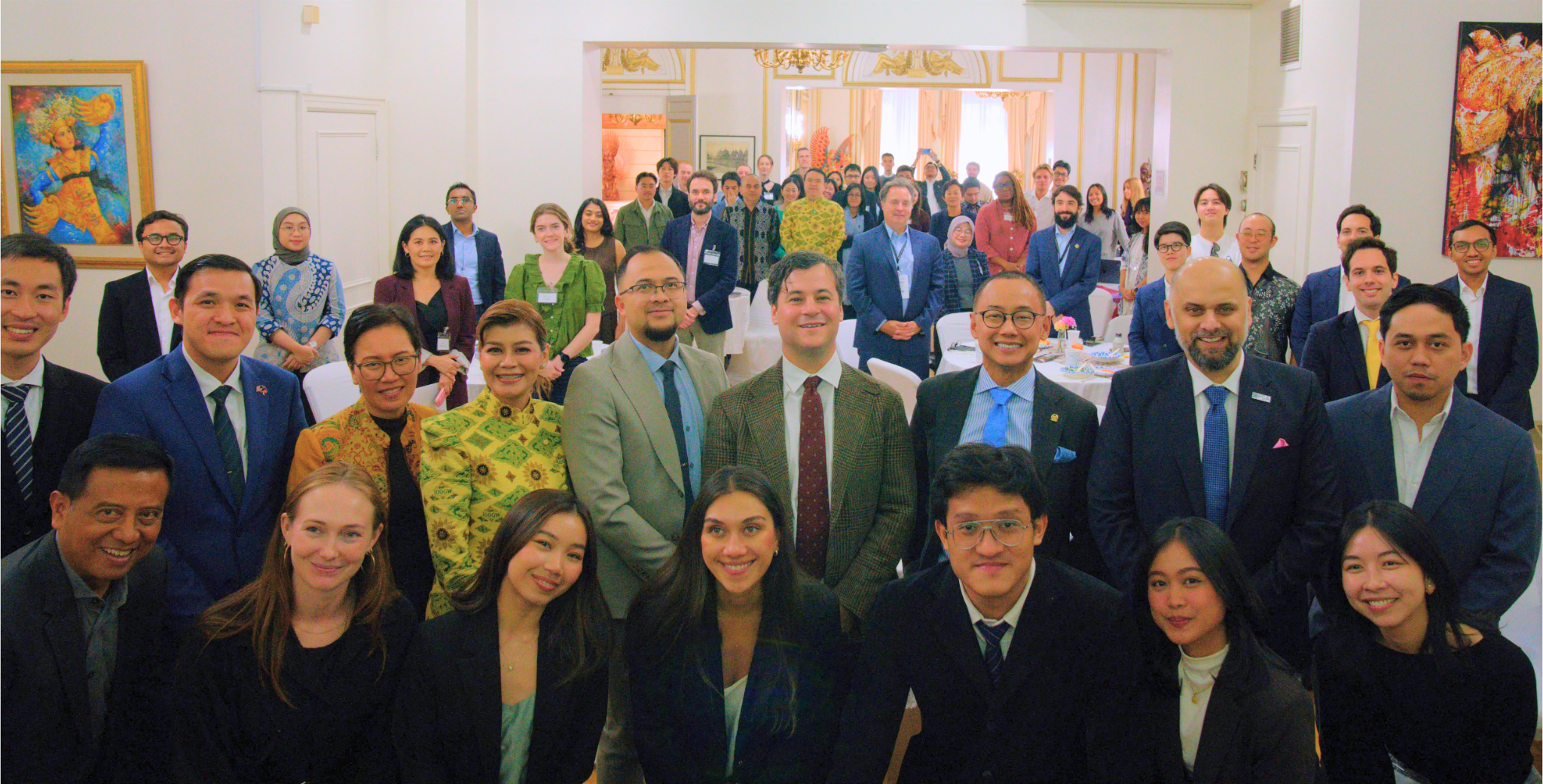
Group photo of the speakers, moderator, representative of the Consulate General of Indonesia in New York, and participants at the Indonesia Solar Investment Forum, held on September 24, 2026.
The session, titled "Accelerating Solar Energy in Emerging Economies," brought together representatives from international business councils and regional solar associations. The dialogue focused on the specific market dynamics, consumer demands, and policy conditions that have successfully driven solar adoption in other developing nations.
Lessons from Pakistan's Rooftop Solar Surge
“Pakistan has seen a remarkable expansion of solar, driven largely by distributed generation, rooftop systems, private investment, and strong consumer demand. The scale and speed of this growth are reshaping the country’s power system, while bringing new challenges in grid integration, regulation, and maintaining long-term system stability,” said Waqas Moosa, Director of the Pakistan Solar Association.
Waqas Moosa, shared the factors behind Pakistan's rapid expansion of solar energy. He highlighted the transformative role of distributed generation and rooftop solar, which have been heavily driven by private investment and consumer demand. However, Moosa also outlined the technical and regulatory hurdles Pakistan faced when integrating large volumes of solar power into the national grid. These experiences provide a crucial learning point for Indonesia. By studying Pakistan's challenges with grid integration and long-term system sustainability, Indonesia can better plan its own grid modernization and electricity pricing structures.
Building a Competitive ASEAN Investment Climate
Expanding the discussion to a regional perspective, Mario Masaya, Vice-President at the US-ASEAN Business Council, detailed what international companies look for when evaluating renewable energy opportunities across Southeast Asia. Masaya emphasized that international investors require specific policy and market conditions to commit capital. Regulatory certainty, transparent procurement, and robust grid infrastructure are fundamental to attracting private investment. He pointed out that Indonesia can leverage practical lessons from its ASEAN neighbors to translate its renewable energy ambitions into a scalable and internationally competitive investment opportunity. By adopting these best practices and strengthening regional cooperation, Indonesia can create a more predictable and attractive environment for global investors, ensuring the massive 100 GWp solar target is achieved effectively.
“Indonesia has the opportunity to both draw from and share its practical experience with ASEAN neighbors as it scales up renewable energy and builds a more competitive investment environment. Regional cooperation and the exchange of best practices can help strengthen policy predictability, reduce barriers for investors, and expand access to global capital as Indonesia advances its solar ambitions,” said Mario Masaya, Vice President at the U.S.-ASEAN Business Council.
The experiences of Pakistan and other ASEAN markets demonstrate that rapid solar growth can be supported by a combination of private investment, consumer demand, clear market rules, and enabling infrastructure.
During the Forum, AESI highlighted its ongoing collaboration with government and industry stakeholders through dedicated task forces focused on IPP development, rooftop solar, the 100 GWp program, and workforce development. The association also underscored the importance of finalizing the regulatory framework, establishing a transparent multi-year project pipeline, and developing market mechanisms to support the growth of commercial and rooftop solar.
"We see direct parallels with Pakistan's distributed solar boom. In Indonesia, the appetite for rooftop solar is incredibly high. We reach 1.5 GWp of solar rooftop in just two years. To accelerate this further, AESI is helping the government shape a breakthrough single billing platform with PLN. This will give industries and residential users easy access to solar energy without complex multi-year commitments." said Mada Ayu Habsari, Chairwoman of AESI.
----------------------------------END----------------------------------------------
About SANARA
SANARA (Sustainability Network of Nusantara) is a global network connecting Indonesian sustainability stakeholders with international partners, investors, and institutions to advance Indonesia’s sustainable development and climate agenda. SANARA facilitates dialogue, knowledge exchange, and strategic collaboration across the public, private, and international sectors, with a focus on translating Indonesia’s sustainability priorities into meaningful partnerships and investment opportunities.
About AESI
The Indonesia Solar Energy Association (AESI) is an industry association representing solar energy sector stakeholders across Indonesia. AESI works to accelerate the development and adoption of solar energy through policy advocacy, industry collaboration, market growth, and the deployment of solar power across utility-scale, commercial, and rooftop segments. Through engagement with government, industry, investors, and other stakeholders, AESI supports the development of a competitive and sustainable solar energy ecosystem in Indonesia. As Indonesia accelerates its renewable energy transition, AESI members are at the forefront in shaping policy, building partnerships, and growing their businesses.
About IIPC New York
The Indonesia Investment Promotion Center (IIPC) New York office is the official representative of the Indonesian Ministry of Investment and Downstream Industry / Indonesia Investment Coordinating Board (BKPM) covering the American continent (North America, USA, Central America, Latin America, and the Caribbean). BKPM develops strategies to improve an end-to-end service for investors. The team will assist investors from exploring business opportunities in Indonesia, obtaining investment licenses and incentives, and carrying out the construction stage to finishing the commercial operation stage. As the main link between business and government, the ministry is responsible for creating a conducive investment climate in Indonesia.
For further information, please contact:
AESI
Antonia Junita
PR & Communications
comms@aesi.or.id
Denaya Karenzi
Sanara Indonesia
+1 929-714-4148
email us here
Legal Disclaimer:
EIN Presswire provides this news content "as is" without warranty of any kind. We do not accept any responsibility or liability for the accuracy, content, images, videos, licenses, completeness, legality, or reliability of the information contained in this article. If you have any complaints or copyright issues related to this article, kindly contact the author above.
