

A New Mailer to Help Apartment Residents Reduce Food Waste and Sort Smart This Fall
As part of our ongoing effort to support cleaner, greener, easier living in Seattle’s multifamily communities, Seattle Public Utilities is sending a new waste‑sorting mailer to every apartment resident citywide. It’s full of simple tips that make a big difference, both for your household and for our shared environment.
Whether you’re new to your building or have lived there for years, this mailer is designed to help everyone feel confident about what goes where, how to prevent food waste at home, and how we can all pitch in to keep our city healthy and sustainable.
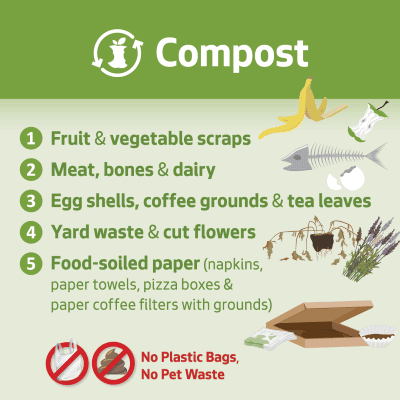
Composting: Give Your Food Scraps a Second Life
When we put food scraps in the Food & Yard Waste container, those leftovers don’t go to waste—they become compost that supports gardens, farms, and healthy soils across the region.
The mailer reminds us that all food scraps belong in compost: fruit and vegetable scraps, meat, bones, dairy, eggshells, coffee grounds, tea leaves, yard waste and cut flowers, and food‑soiled paper like napkins, paper towels, pizza boxes, and paper coffee filters. No Plastic Bags, No Pet Waste.
If your building doesn’t have a compost container, your property manager can request containers for your apartment or condo.
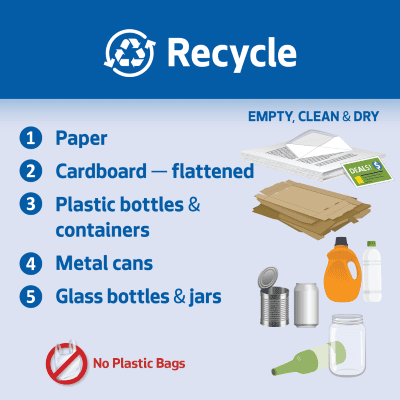
Recycling: A Few Simple Rules Make a Big Impact
Seattle’s recycling system works best when we follow three guiding principles: Empty, Clean, and Dry. The mailer highlights that acceptable recyclables include paper, flattened cardboard, plastic bottles and containers, metal cans, and glass bottles and jars.
Plastic bags, wraps, bubble mailers, and foam items should go in the garbage instead—these materials cause big problems at recycling facilities.
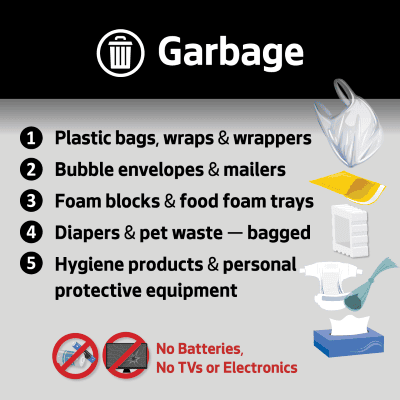
Garbage: Keeping It Clean
To keep our recycling and compost streams uncontaminated, garbage should be reserved for items like plastic bags and wrappers, diapers and pet waste (both bagged), hygiene products and personal protective equipment, foam blocks and foam food trays, and other non‑recyclable plastics. No batteries, and not TVs or electronics. It’s also against city code (SMC 21.36.083) to place recyclable or compostable items in the garbage.
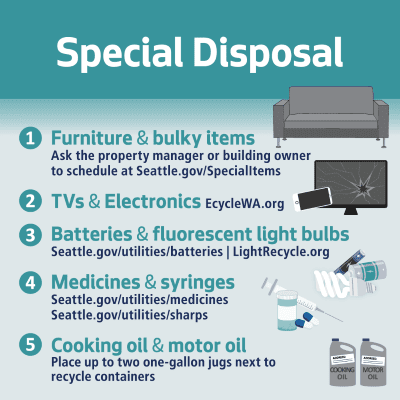
Special Item Disposal: We’re Here to Help
Have an item that doesn’t fit in your building’s bins? You can work with your building manager or owner to use the Special Item Pickup service from SPU. The mailer includes guidance for common special materials, each has a dedicated drop‑off or pickup option to keep harmful materials out of the landfill:
- Furniture & bulky items: Ask the property manager or building owner to schedule at Seattle.gov/SpecialItems
- TVs & Electronics: EcycleWA.org
- Batteries & fluorescent light bulbs: Seattle.gov/utilities/batteries, LightRecycle.org
- Medicines & syringes: Seattle.gov/utilities/medicines, Seattle.gov/utilities/sharps
- Cooking oil & motor oil: Place up to two one-gallon jugs next to recycle containers
If you ever have questions, you can email AskEvelyn@seattle.gov or call (206) 684‑8717 for friendly, personalized help.
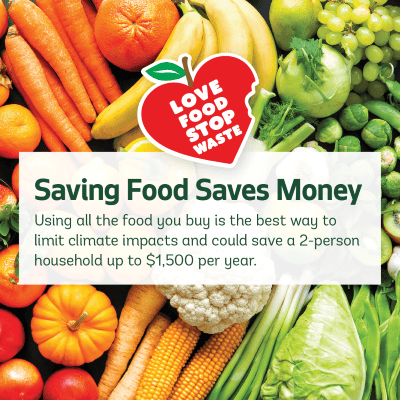
Saving Food Saves Money
One highlight from the mailer: using all the food you buy can reduce climate impacts and save a two‑person household up to $1,500 per year. That’s something every household—large or small—can benefit from.
Food Waste Prevention Week Is Almost Here
Also, next week is Food Waste Prevention Week. We’ll be sharing more tips on reducing food waste in homes of all sizes, apartments, townhomes, and single‑family households, so stay tuned to our blog and social media for ideas you can use right away.
Together, small actions at home add up to a cleaner, greener, more resilient Seattle. Thanks for doing your part!
Helpful Resources
These links offer more tips and tools for everyday waste sorting and food‑saving success:
Legal Disclaimer:
EIN Presswire provides this news content "as is" without warranty of any kind. We do not accept any responsibility or liability for the accuracy, content, images, videos, licenses, completeness, legality, or reliability of the information contained in this article. If you have any complaints or copyright issues related to this article, kindly contact the author above.
